Tour Overview
The 7-Day Lemosho Route is one of the most scenic and successful routes on Mount Kilimanjaro. Beginning on the western
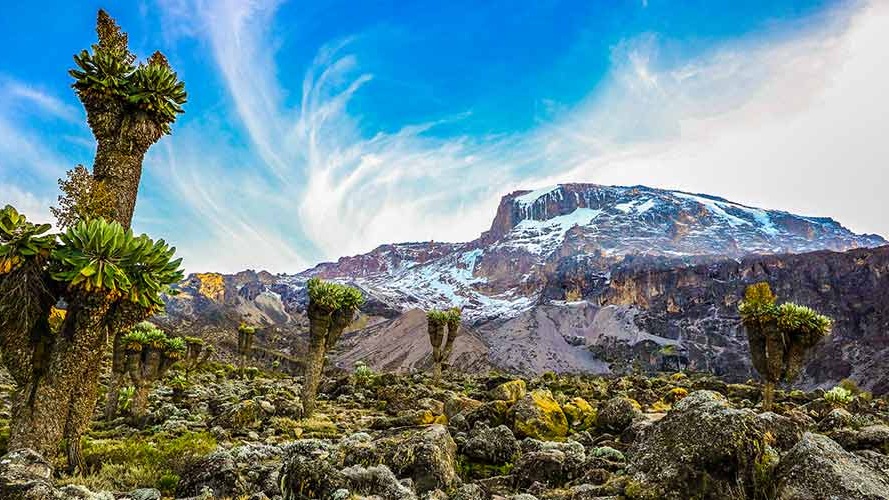
side of the mountain, this route traverses diverse ecosystems including lush rainforest, heath and moorland, alpine desert,
and glacial summit zones. The route offers excellent acclimatization through its gradual ascent profile, significantly increasing
summit success rates while providing breathtaking panoramic views throughout the trek.
Perfect for climbers seeking a balance between adventure, acclimatization, and comfort, the 7-day Lemosho Route is widely regarded as
one of the best ways to reach Uhuru Peak (5,895m), the highest point in Africa
Why Choose the 7-Day Lemosho Route?
Excellent Acclimatization
The route follows the "climb high, sleep low" principle, allowing your body to adapt to altitude gradually and increasing your chances of reaching the summit successfully.
High Summit Success Rate
With an extra acclimatization day compared to shorter routes, the 7-day Lemosho Route consistently achieves one of the highest summit success rates on Kilimanjaro.
Stunning Scenery
Experience Kilimanjaro's most diverse landscapes, from tropical rainforest and the vast Shira Plateau to the dramatic Barranco Wall and the glaciers near the summit.
Less Crowded Start
The western approach offers a quieter and more remote trekking experience during the first days of the climb.
Professional Support Team
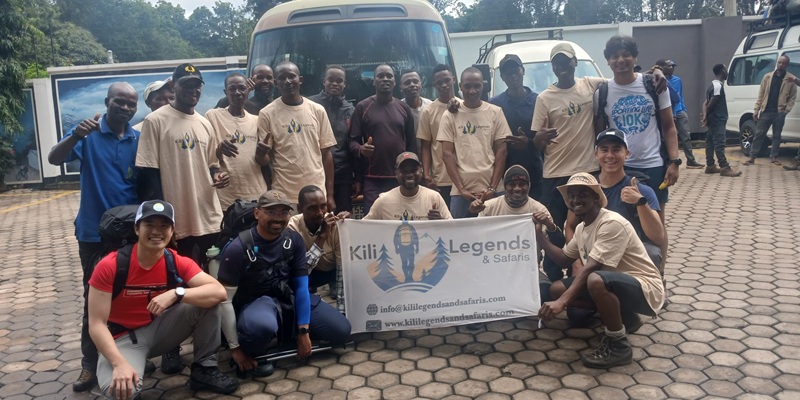
Our experienced mountain guides, cooks, and porters ensure a safe, comfortable, and memorable Kilimanjaro adventure.
7-Day Lemosho Route Itinerary
Day 0: Arrival in Tanzania
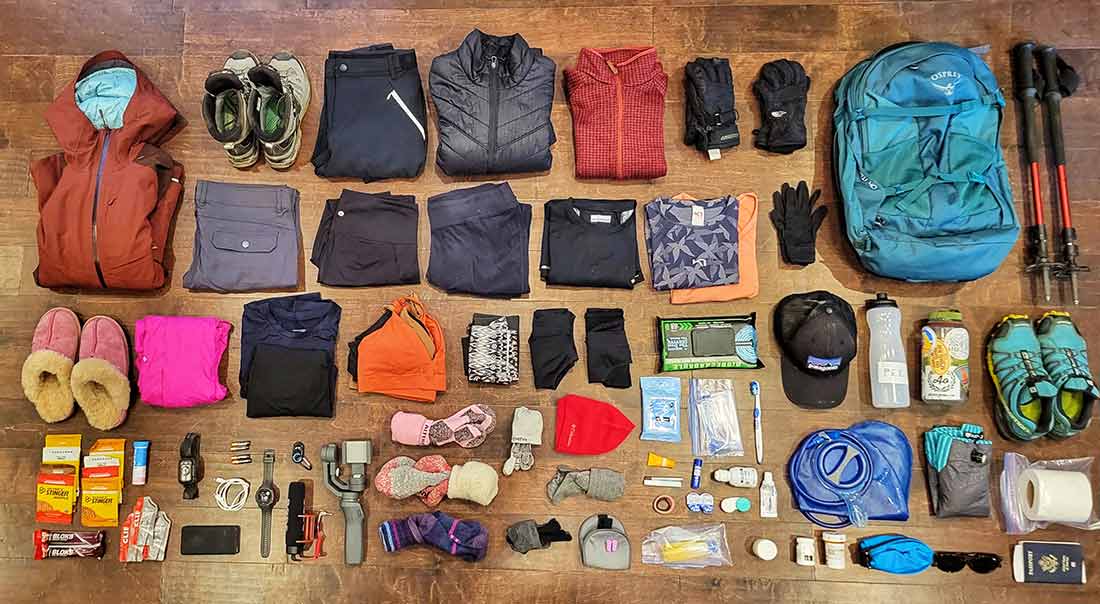
Upon arrival at Kilimanjaro International Airport (JRO), you will be warmly welcomed by our representative and transferred to your hotel in Moshi. In the evening, meet your professional mountain guide for a comprehensive climb briefing, equipment inspection, and final preparations for your Kilimanjaro adventure. This is an excellent opportunity to ask questions, ensure all gear is ready, and get a good night's rest before the trek begins.
Accommodation: Hotel in Moshi
Day 1: Hotel – Londorossi Gate – Mti Mkubwa Camp
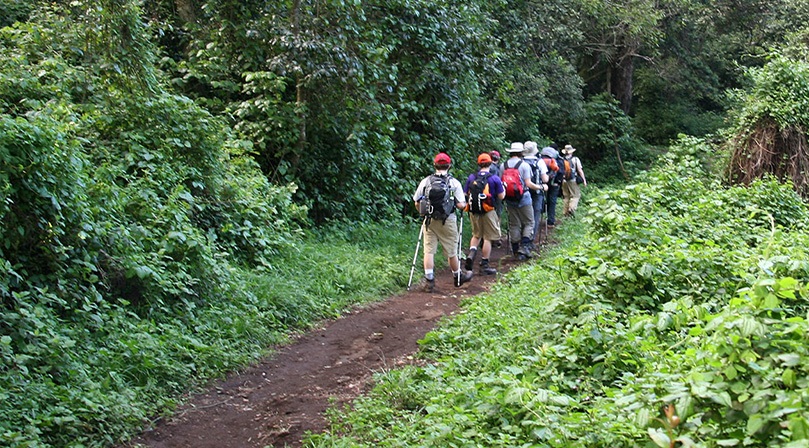
After breakfast, depart Moshi and drive to Londorossi Gate for registration and permit formalities. From the gate, continue by 4WD vehicle through the lush rainforest to the Lemosho trailhead. Your trek begins with a gentle walk through the dense montane forest, home to a variety of wildlife, colorful birds, and colobus monkeys. Arrive at Mti Mkubwa Camp (Big Tree Camp), where you will enjoy your first night on the mountain.
Day 2: Mti Mkubwa Camp to Shira 2 Camp
After breakfast, continue your ascent as the trail gradually leaves the rainforest and enters the heath and moorland zone. The scenery opens dramatically, offering spectacular views of the Shira Plateau and surrounding landscapes. After crossing several streams and ascending along the Shira Ridge, pass Shira 1 Camp before continuing to Shira 2 Camp, located on expansive moorland meadows beneath Kibo Peak.
Day 3: Shira 2 Camp to Barranco Camp via Lava Tower
Today's trek is one of the most important acclimatization days of the climb. From Shira Plateau, ascend steadily toward Lava Tower (4,650m), a striking volcanic rock formation known as the "Shark's Tooth." After spending time at higher altitude, descend gradually to Barranco Camp. Although you end the day at a similar elevation to where you started, the climb-high, sleep-low strategy greatly enhances acclimatization and improves your chances of a successful summit.
Barranco Camp is beautifully situated beneath the imposing Barranco Wall and offers magnificent views of the southern glaciers.
Day 4: Barranco Camp to Karanga Camp
After breakfast, tackle the famous Barranco Wall, one of the most exciting and rewarding sections of the Lemosho Route. Although steep in appearance, the climb is non-technical and offers spectacular views across the mountain. After reaching the top, continue through rolling alpine terrain to Karanga Valley and eventually Karanga Camp.
The shorter hiking day allows for additional rest and acclimatization before the summit push.
Day 5: Karanga Camp to Barafu Camp
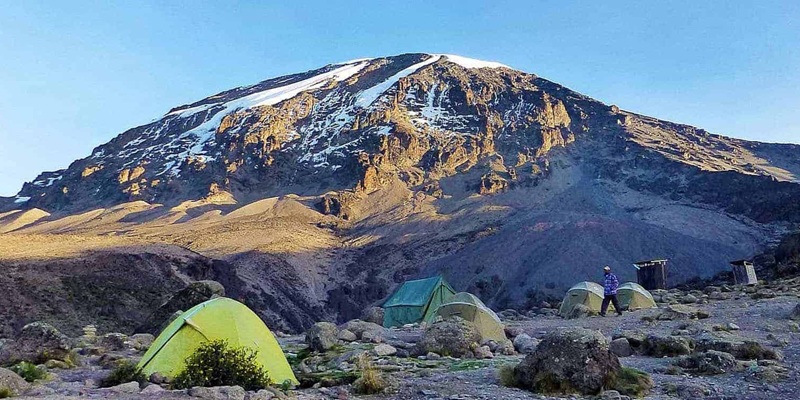
Continue your ascent through the alpine desert landscape toward Barafu Camp, the final base camp before the summit attempt. Along the way, enjoy stunning views of Mawenzi Peak and the surrounding mountain scenery. Upon arrival, settle into camp, enjoy an early dinner, and rest while your guides prepare you for the midnight summit ascent.
Barafu Camp offers dramatic views of both the summit and the plains below.
Day 6: Barafu Camp – Uhuru Peak – Mweka Camp
Around midnight, begin the final ascent to the summit. Trek slowly through the darkness toward Stella Point on the crater rim, passing between the Rebmann and Ratzel glaciers. This is the most demanding stage of the climb, both physically and mentally.
Upon reaching Stella Point, enjoy a short rest before continuing along the crater rim to Uhuru Peak (5,895m), the highest point in Africa. Witness a breathtaking sunrise and celebrate your incredible achievement at the Roof of Africa.
After taking photos and enjoying the moment, descend back to Barafu Camp for a short rest and lunch before continuing down to Mweka Camp for your final night on the mountain.
Day 7: Mweka Camp – Mweka Gate – Moshi
After breakfast, enjoy your final descent through the lush rainforest to Mweka Gate. Upon arrival, receive your well-earned summit certificate and celebrate your achievement with your mountain crew.
Your driver will be waiting at Mweka Gate to transfer you back to your hotel in Moshi, where a hot shower and comfortable bed await.
Departure Day
After breakfast, transfer to Kilimanjaro International Airport for your onward flight. Alternatively, continue your Tanzanian adventure with a wildlife safari or a relaxing beach holiday in Zanzibar.
Meals: Breakfast only.
Includes
Airport transfers from and to Kilimanjaro International Airport (JRO).2 nights hotel accommodation before and after the climb (Bed & Breakfast).
All park entrance fees.
Kilimanjaro National Park camping fees.
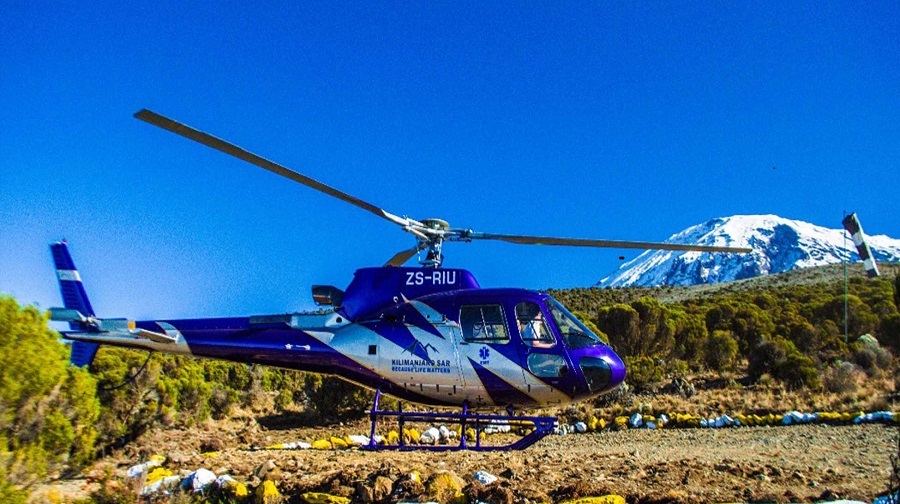
Rescue fees and emergency evacuation fees.
Professional English-speaking mountain guides.
Assistant guides, cooks, and porters.
All meals on the mountain (Breakfast, Lunch, and Dinner).
Freshly prepared nutritious meals throughout the trek.
Drinking water during the climb.
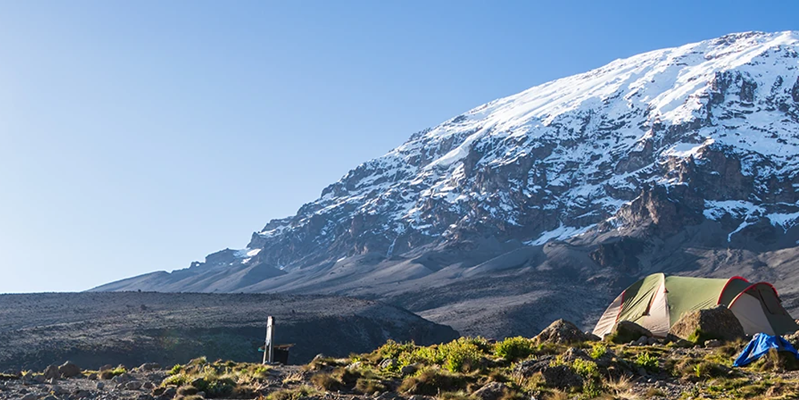
High-quality mountain tents.
Dining tent with tables and chairs.
Sleeping mattresses.
Portable toilet (private climbs).
Daily health monitoring and pulse oximeter checks.
Comprehensive first aid kit.
Summit certificates for successful climbers.
Government taxes and VAT.