Tanzania is renowned for its spectacular national parks, which showcase some of Africa’s most iconic landscapes and diverse wildlife. These protected areas play a vital role in conservation while making Tanzania one of the world's leading safari destinations.
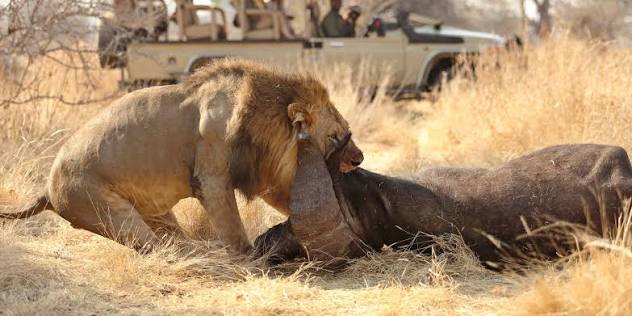
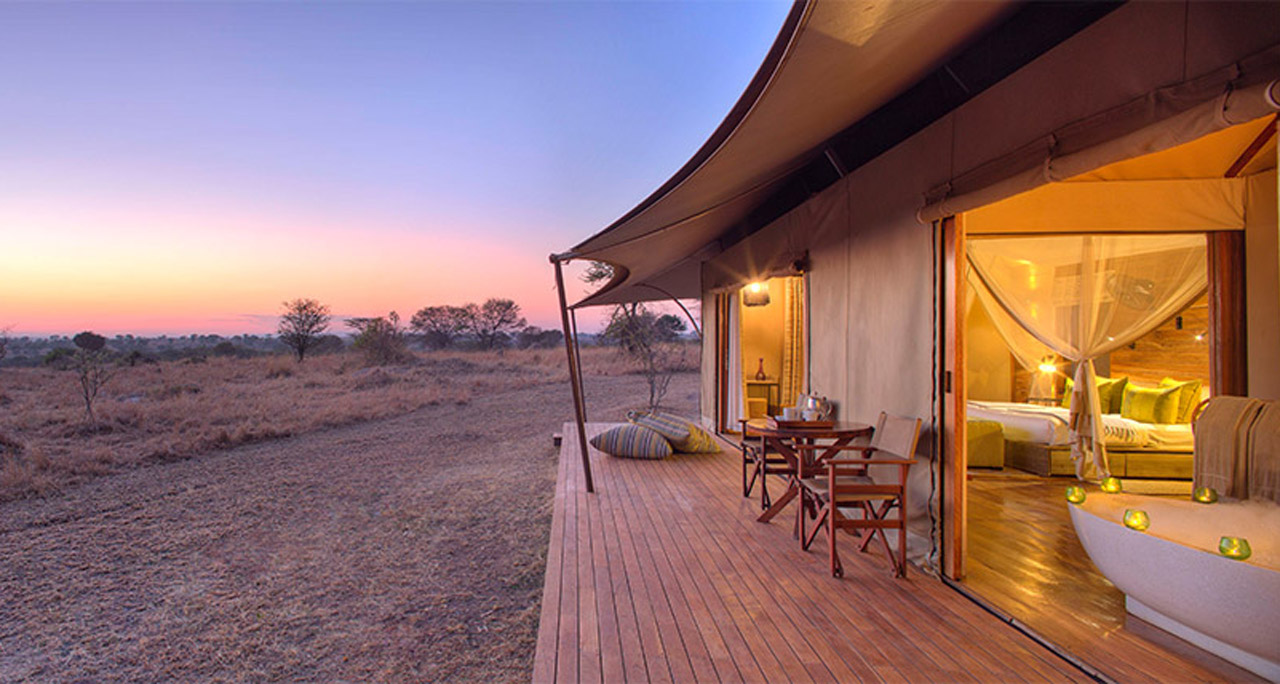
From the endless plains of Serengeti National Park to the lush forests, volcanic highlands, and scenic lakes found throughout the country,
Tanzania’s national parks offer an extraordinary variety of ecosystems and unforgettable wildlife experiences. Visitors can encounter the famous
Big Five, witness the Great Wildebeest Migration, and explore habitats that support thousands of species of animals, birds, and plants.
For tourism purposes, Tanzania’s national parks are generally divided into two main safari circuits: the Northern Circuit and the Southern Circuit.
The Northern Circuit includes some of the country's most famous parks, such as Serengeti National Park, Ngorongoro Conservation Area, Tarangire National Park,
and Lake Manyara National Park. The Southern Circuit features vast and less-crowded wilderness areas, including Nyerere National Park and Ruaha National Park,
offering a more remote and authentic safari experience.
Whether you choose the wildlife-rich Northern Circuit or the untouched wilderness of the Southern Circuit, Tanzania’s national parks promise exceptional
adventures and unforgettable encounters with nature.
Northern Tanzania National Parks
Northern Tanzania is home to the country's most famous safari destinations, offering incredible wildlife viewing, diverse landscapes, and world-class safari experiences. The Northern Safari Circuit is the most visited region in Tanzania and includes some of Africa’s most iconic protected areas.
1. Serengeti National Park
Overview
Serengeti National Park is Tanzania’s most famous national park and one of the world's most iconic wildlife destinations. Established in 1951, the park covers approximately 14,763 square kilometers (5,700 square miles) of protected wilderness in northern Tanzania. The name "Serengeti" originates from the Maasai word Siringet, meaning "the endless plains," a fitting description for the vast grasslands that stretch as far as the eye can see.
The Serengeti forms part of the larger Serengeti Ecosystem, which extends into Kenya’s Maasai Mara and encompasses approximately 30,000 square kilometers. This ecosystem supports one of the greatest wildlife spectacles on Earth—the Great Wildebeest Migration.
Wildlife and The Great Migration
The Serengeti hosts one of the largest concentrations of wildlife in Africa, including:
◆ Over 2 million wildebeest
◆ Approximately 250,000 zebras
◆ More than 500,000 gazelles
◆ Over 3,000 lions
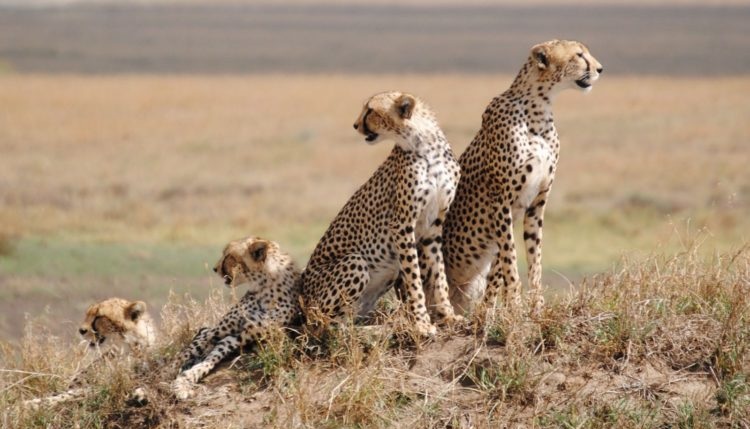
◆ Hundreds of leopards and cheetahs
◆ Large populations of elephants, buffaloes, giraffes, and hyenas
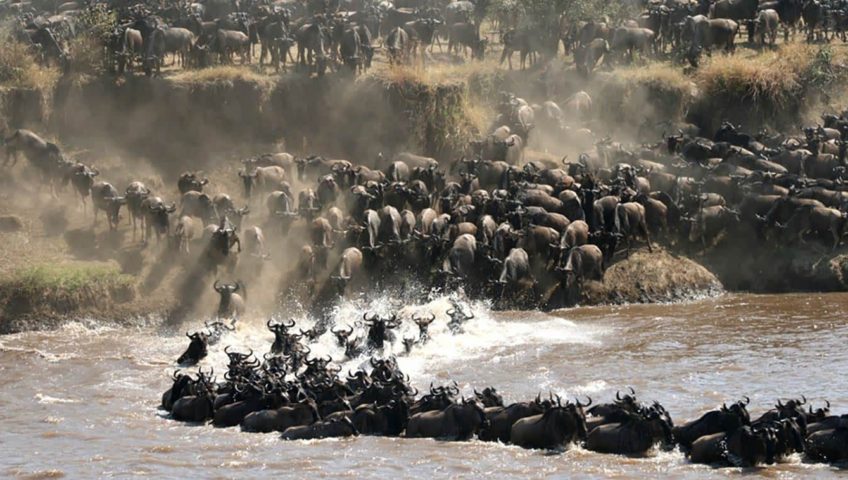
The Great Migration involves millions of wildebeest, zebras, and gazelles moving in a continuous cycle in search of fresh grazing and water.
This incredible natural event includes dramatic river crossings and predator-prey interactions that attract photographers and wildlife enthusiasts from around the globe.
Landscape
The Serengeti features diverse habitats, including:
◆ Open grasslands
◆ Acacia woodlands
◆ Riverine forests
◆ Rocky kopjes
◆ Seasonal wetlands
Each habitat supports unique wildlife species and contributes to the park’s extraordinary biodiversity.
Activities
Visitors can enjoy:
◆ Game drives
◆ Hot air balloon safaris
◆ Photographic safaris
◆ Birdwatching
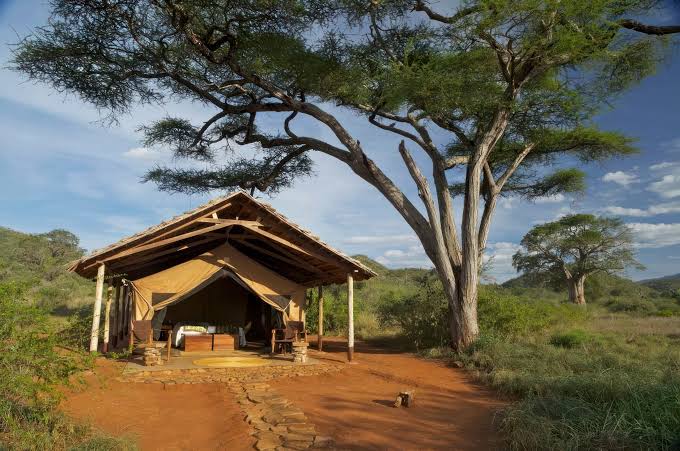
◆ Luxury tented camps
◆ Cultural visits to Maasai communities
Best Time to Visit
The Serengeti is a year-round destination, with different areas offering unique experiences depending on the season.
2. Ngorongoro Conservation Area
Overview
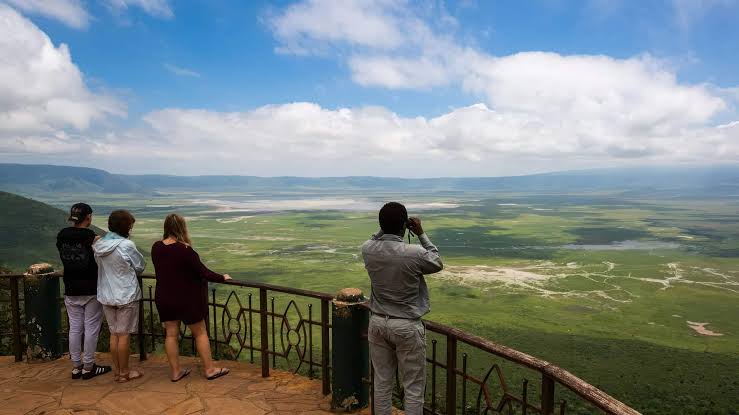
The Ngorongoro Conservation Area is one of Africa’s most remarkable natural wonders and a UNESCO World Heritage Site. Covering approximately 8,292 square kilometers, it is unique because it combines wildlife conservation with the traditional pastoral lifestyle of the Maasai people. The area's centerpiece is the Ngorongoro Crater, the world’s largest intact and unfilled volcanic caldera.
Ngorongoro Crater
Formed nearly three million years ago after a massive volcanic eruption and collapse, the crater measures:
◆ Approximately 20 kilometers in diameter
◆ 600 meters deep
◆ 260 square kilometers in floor area
The crater acts as a natural enclosure for wildlife, creating one of the highest concentrations of animals in Africa.
Wildlife
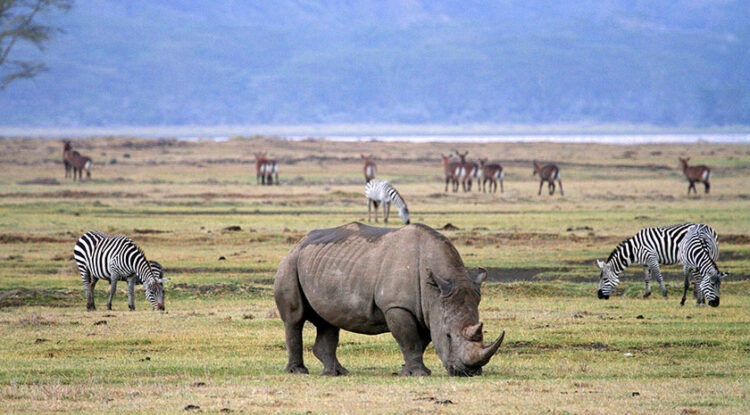
The crater supports:
◆ Lions
◆ Black rhinos
◆ Elephants
◆ Buffaloes
◆ Hippos
◆ Hyenas
◆ Jackals
◆ Wildebeest
◆ Zebras
◆ Gazelles
Ngorongoro is one of the few places where visitors have an excellent chance of spotting the endangered black rhinoceros.
Other Attractions
The conservation area also includes:
◆ Olduvai Gorge, known as the "Cradle of Mankind"
◆ Empakaai Crater
◆ Olmoti Crater
◆ Ndutu Area
◆ Traditional Maasai villages
Activities
◆ Crater game drives
◆ Cultural tours
◆ Walking safaris
◆ Archaeological excursions
◆ Photography tours
3. Tarangire National Park
Overview
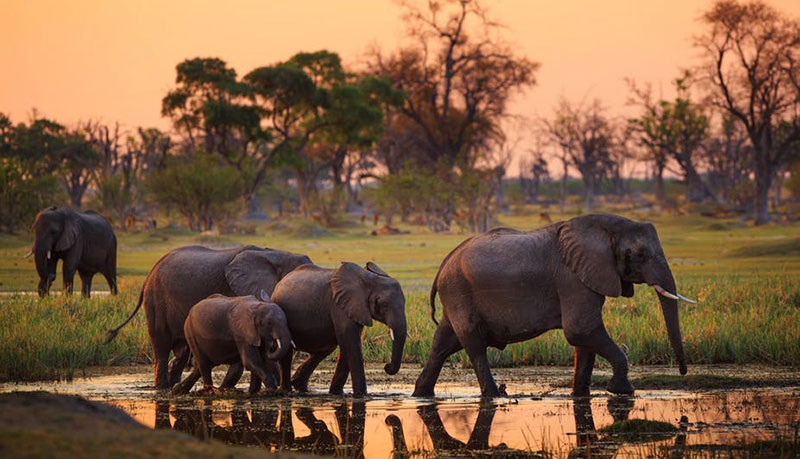
Tarangire National Park is one of Tanzania’s most underrated safari destinations. Covering approximately 2,850 square kilometers, it is famous for its enormous elephant herds, iconic baobab trees, and rich wildlife diversity.
Named after the Tarangire River, the park becomes a critical refuge for wildlife during the dry season when surrounding areas become parched.
Wildlife
Tarangire is renowned for:
Massive elephant herds of up to 300 individuals
◆ Lions
◆ Leopards
◆ Cheetahs
◆ African wild dogs (occasionally)
◆ Giraffes
◆ Zebras
◆ Buffaloes
◆ Elands
◆ Greater kudus
Birdlife
With more than 550 bird species recorded, Tarangire is a paradise for bird enthusiasts.
Common species include:
◆ Yellow-collared lovebirds
◆ Kori bustards
◆ Ostriches
◆ Hornbills
◆ Eagles
Landscape
The park is characterized by:
◆ Ancient baobab trees
◆ Open savannah
◆ Seasonal swamps
◆ Acacia woodland
◆ River valleys
Why Visit Tarangire?
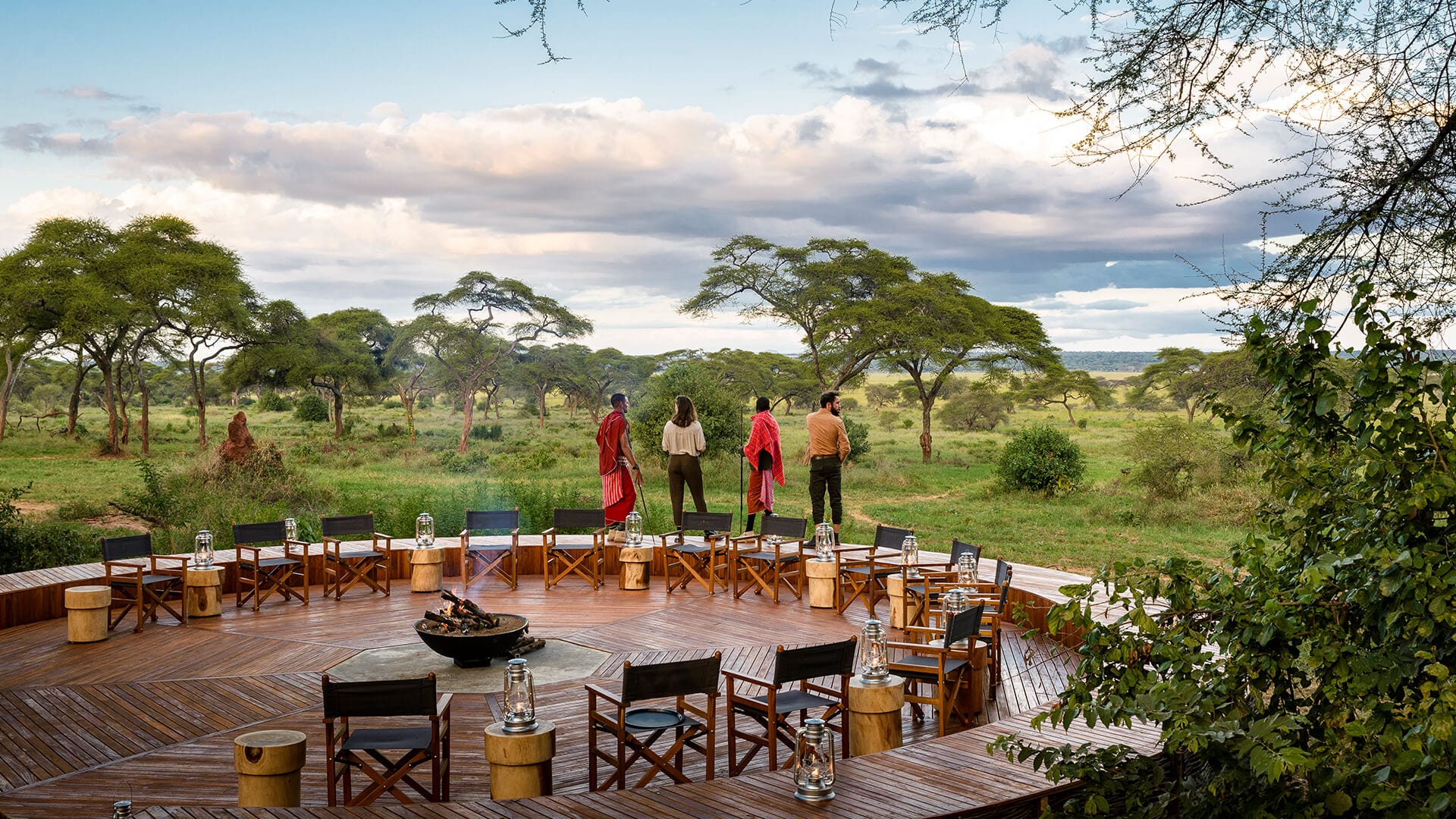
Tarangire offers excellent wildlife viewing with fewer vehicles compared to Serengeti and Ngorongoro, providing a more intimate safari experience.
4. Lake Manyara National Park
Overview
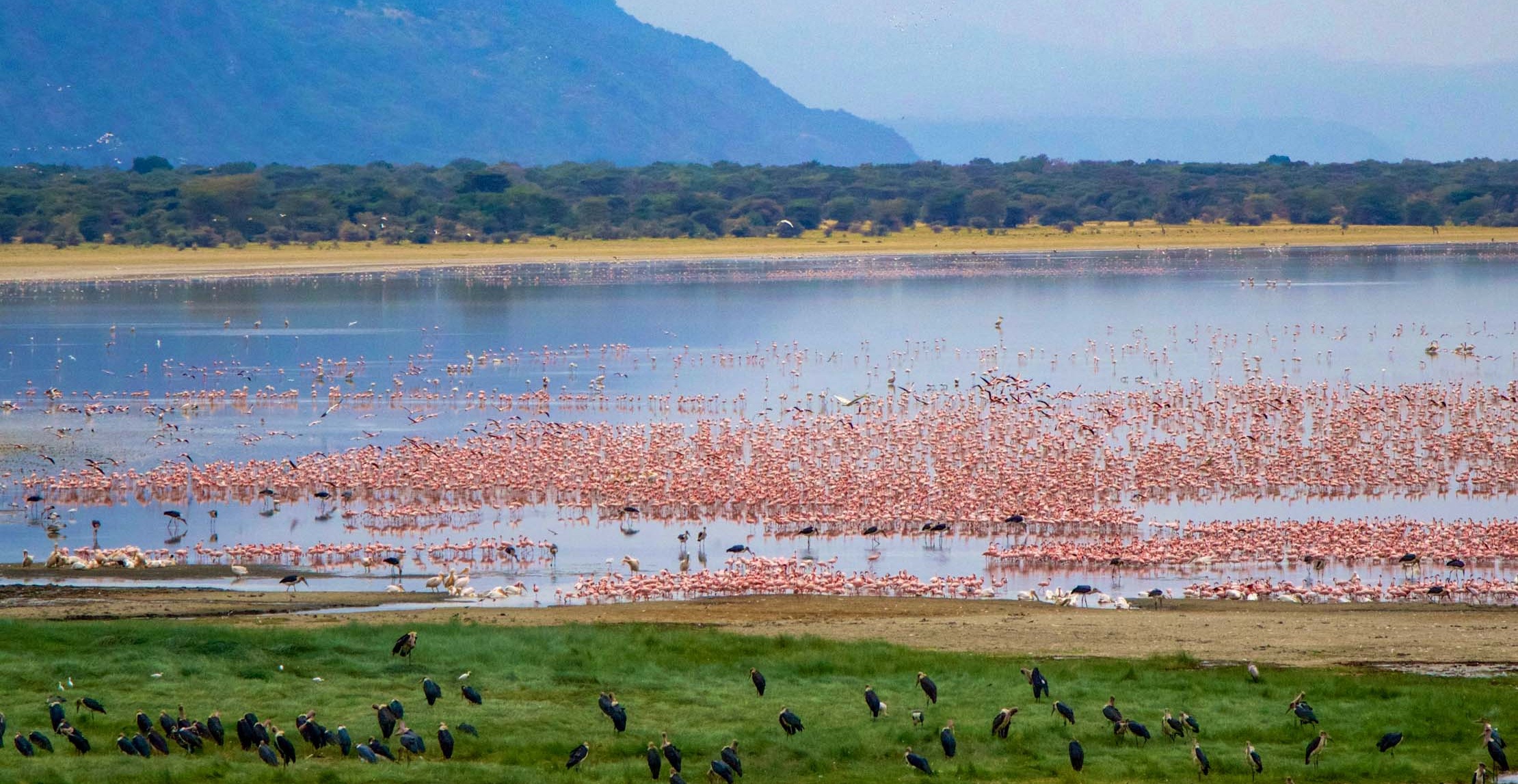
Situated beneath the dramatic Great Rift Valley escarpment, Lake Manyara National Park covers approximately 330 square kilometers and offers one of Tanzania’s most scenic safari experiences.
Despite its relatively small size, the park boasts remarkable ecological diversity.
Landscape
The park contains:
◆ Groundwater forests
◆ Acacia woodlands
◆ Open grasslands
◆ Hot springs
◆ Alkaline lake habitats
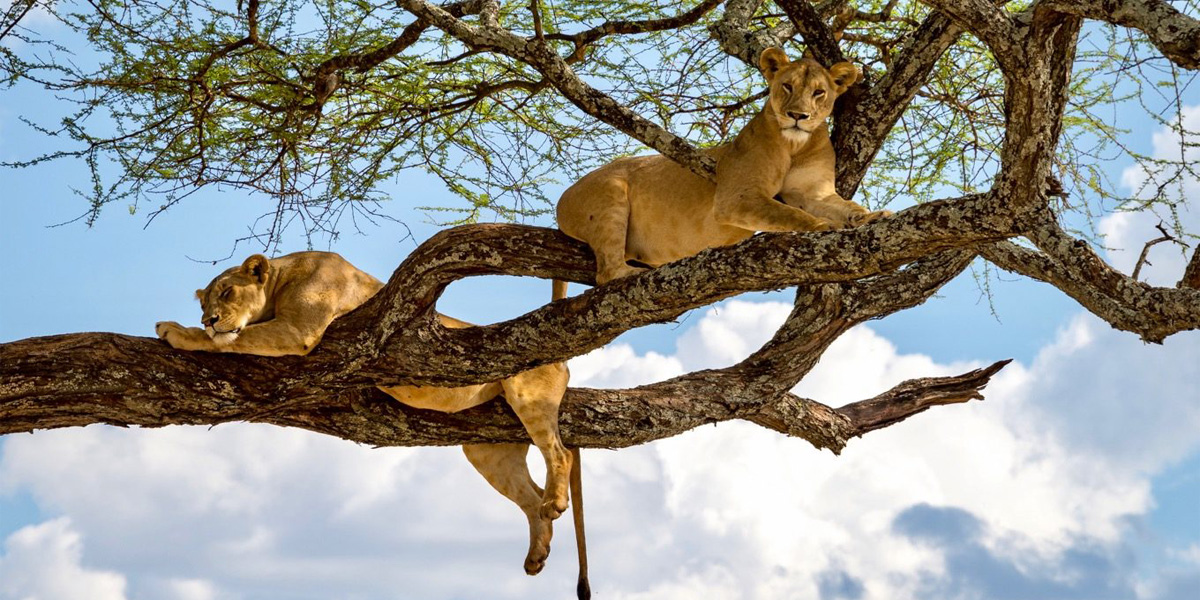
Famous Tree-Climbing Lions
Lake Manyara is one of the few places in Africa where lions are frequently seen resting in trees, a behavior that has made the park internationally famous.
Wildlife
Visitors may encounter:
◆ Elephants
◆ Lions
◆ Leopards
◆ Hippos
◆ Giraffes
◆ Zebras
◆ Wildebeest
◆ Baboons
◆ Blue monkeys
Birdwatching
More than 400 bird species have been recorded, including:◆ Flamingos
◆ Pelicans
◆ Storks
◆ Kingfishers
◆ Herons
Activities
◆ Game drives◆ Canoeing (seasonal)
◆ Birdwatching
◆ Treetop canopy walk
◆ Photography safaris
5. Arusha National Park
Overview
Arusha National Park is one of Tanzania’s most accessible and diverse parks, located just a short drive from Arusha City. Although smaller than many other parks, it offers an impressive range of landscapes and activities.
Mount Meru
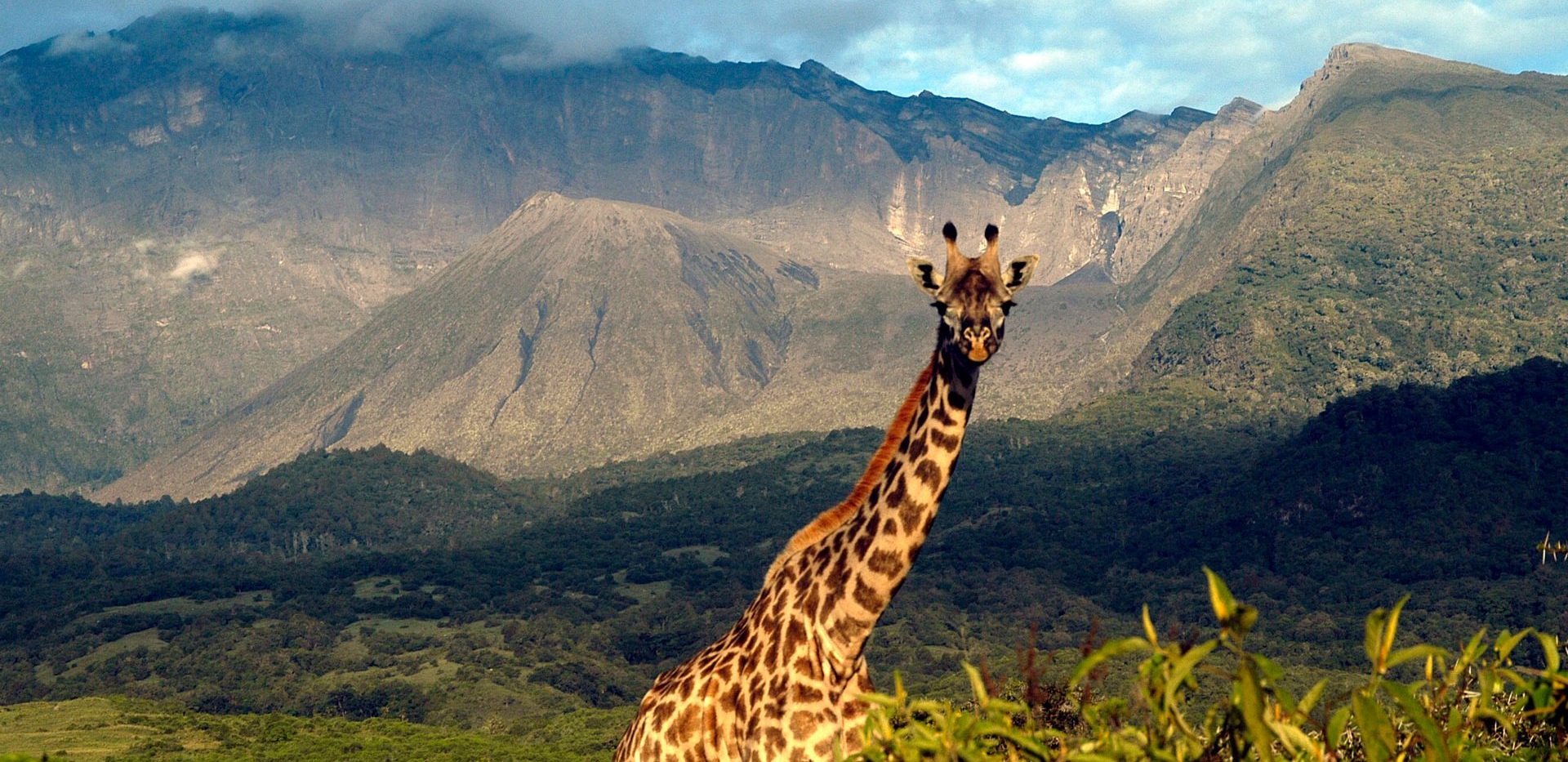
The park contains Mount Meru, Tanzania’s second-highest mountain at 4,566 meters. The mountain is often used as an acclimatization trek before climbing Kilimanjaro.
Attractions
◆ Momella Lakes
◆ Ngurdoto Crater
◆ Mount Meru
◆ Waterfalls
◆ Dense montane forests
Wildlife
Common animals include:
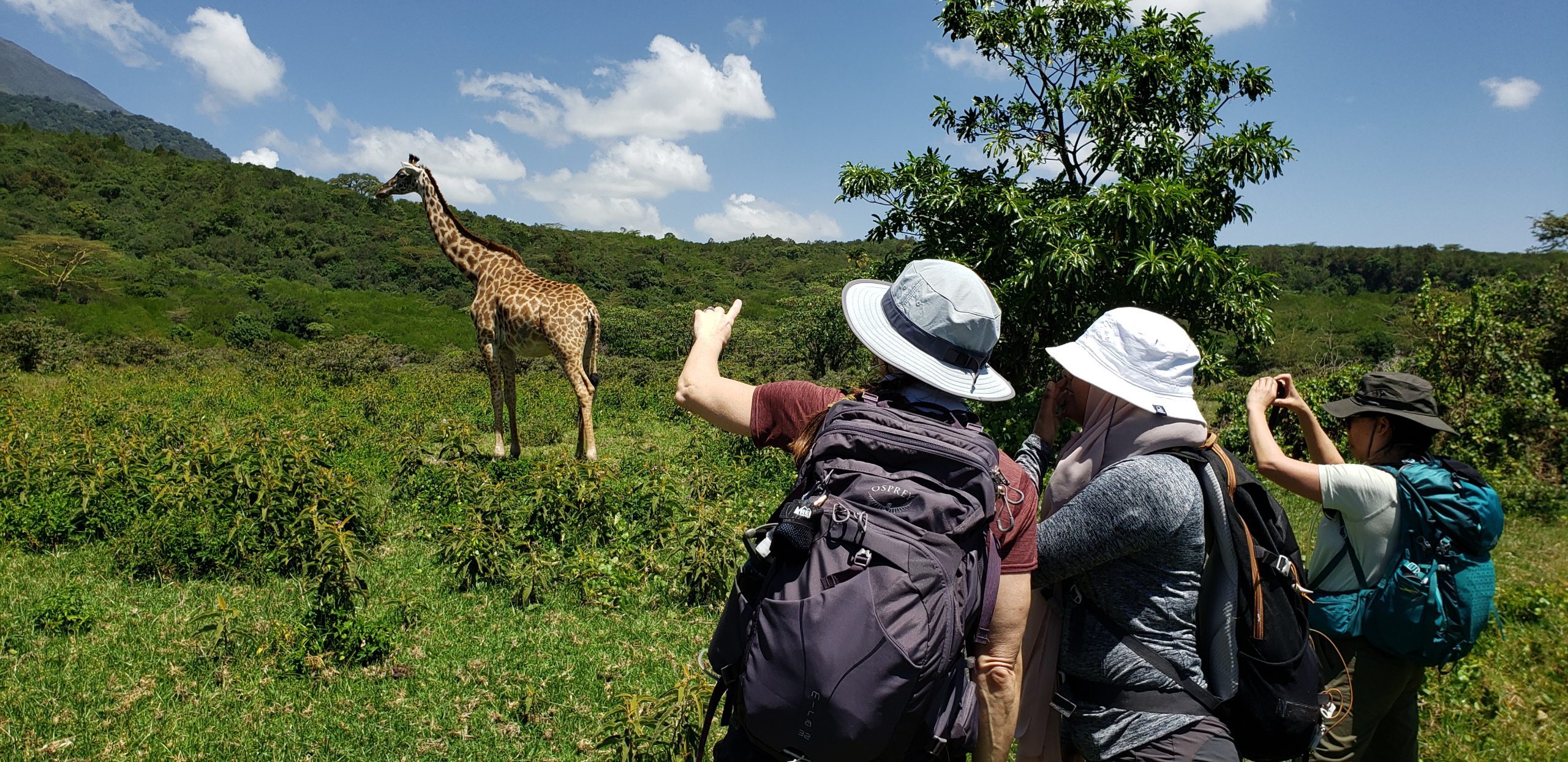
◆ Giraffes
◆ Buffaloes
◆ Zebras
◆ Warthogs
◆ Waterbucks
◆ Colobus monkeys
◆ Blue monkeys
Unique Activities
Unlike most Tanzanian national parks, Arusha National Park offers:
◆ Guided walking safaris
◆ Canoeing safaris
◆ Mount Meru trekking
◆ Day excursions
6. Mkomazi National Park
Overview
Located in northeastern Tanzania near the Kenyan border, Mkomazi National Park covers approximately 3,245 square kilometers and forms part of the greater Tsavo-Mkomazi ecosystem.
Conservation Importance
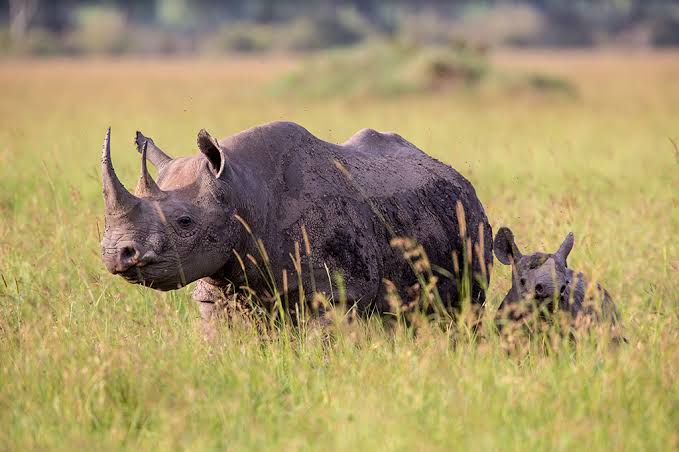
Mkomazi is internationally recognized for:
◆ Black Rhino Conservation Program,
◆ African Wild Dog Recovery Project
These conservation initiatives have played a critical role in protecting some of Africa’s most endangered species.
Wildlife
The park hosts:
◆ Black rhinos,
◆ African wild dogs,
◆ Elephants,
◆ Oryx,
◆ Elands,
◆ Giraffes,
◆ Zebras,
◆ Lesser kudu
Landscape
Visitors enjoy stunning views of:
◆ Pare Mountains
◆ Usambara Mountains
◆ Kilimanjaro on clear days
7. Kilimanjaro National Park
Overview
Kilimanjaro National Park protects Mount Kilimanjaro, Africa’s highest mountain and the tallest free-standing mountain in the world. The mountain rises to an elevation of 5,895 meters (19,341 feet) above sea level.
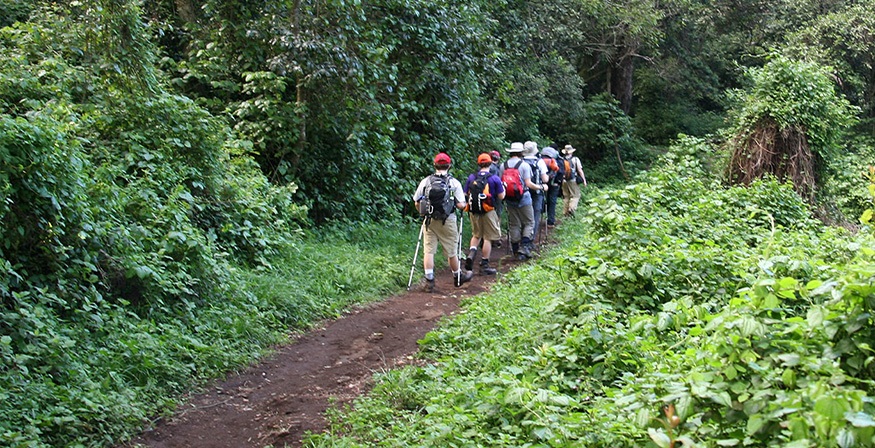
Recognized as a UNESCO World Heritage Site, Kilimanjaro attracts over 30,000 climbers annually.
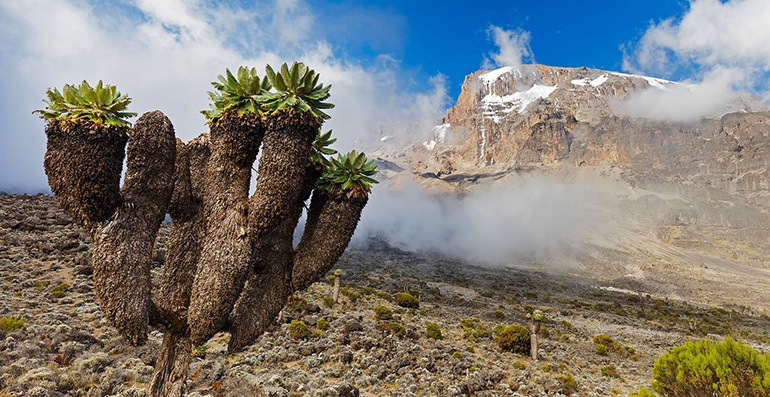
The mountain features five distinct ecological zones:
Cultivation Zone:
Fertile farmland surrounding the mountain.
Rainforest Zone:
Dense tropical forest rich in wildlife and birdlife.
Heath and Moorland Zone:
Characterized by giant lobelias and unique alpine vegetation.
Alpine Desert Zone:
Harsh terrain with sparse vegetation.
Arctic Summit Zone:
Permanent glaciers and snowfields near Uhuru Peak.
Climbing Routes
Popular routes include:
◆ Lemosho Route
◆ Machame Route
◆ Marangu Route
◆ Rongai Route
◆ Northern Circuit Route
◆ Umbwe Route
◆ Shira Route
Wildlife
The lower slopes support:
◆ Colobus monkeys
◆ Blue monkeys
◆ Bushbucks
◆ Buffaloes
◆ Forest elephants
Why Visit?
Climbing Mount Kilimanjaro is considered one of the world's greatest trekking adventures, offering breathtaking scenery, diverse ecosystems, and the opportunity to stand on the highest point in Africa.
Why Choose Northern Tanzania?
Northern Tanzania combines the continent's most celebrated wildlife destinations into a single safari circuit. Visitors can witness the Great Migration, explore the world's largest volcanic caldera, observe giant elephant herds, trek Africa's highest mountain, and experience authentic Maasai culture—all within one extraordinary region. This unmatched diversity makes Northern Tanzania the premier safari destination in Africa and a dream destination for nature lovers, photographers, adventurers, and wildlife enthusiasts alike.