Can You Climb Mount Kilimanjaro During the Rainy Season?
Yes – But You Need to Be Well Prepared
Many travelers prefer to climb Mount Kilimanjaro during the dry seasons, but climbing during the rainy season is still possible. In fact, some experienced trekkers intentionally choose this time of year to enjoy quieter trails, lush scenery, and a more peaceful mountain experience.
At Kili Legends & Safaris, we operate Kilimanjaro climbs throughout the year and help our clients choose the best route, itinerary, and equipment based on the season.
Before deciding to climb during the rainy season, it's important to understand both the advantages and the challenges.
When is the Rainy Season on Kilimanjaro?
Mount Kilimanjaro experiences two rainy seasons each year:
Long Rainy Season
Mid-March to Early June
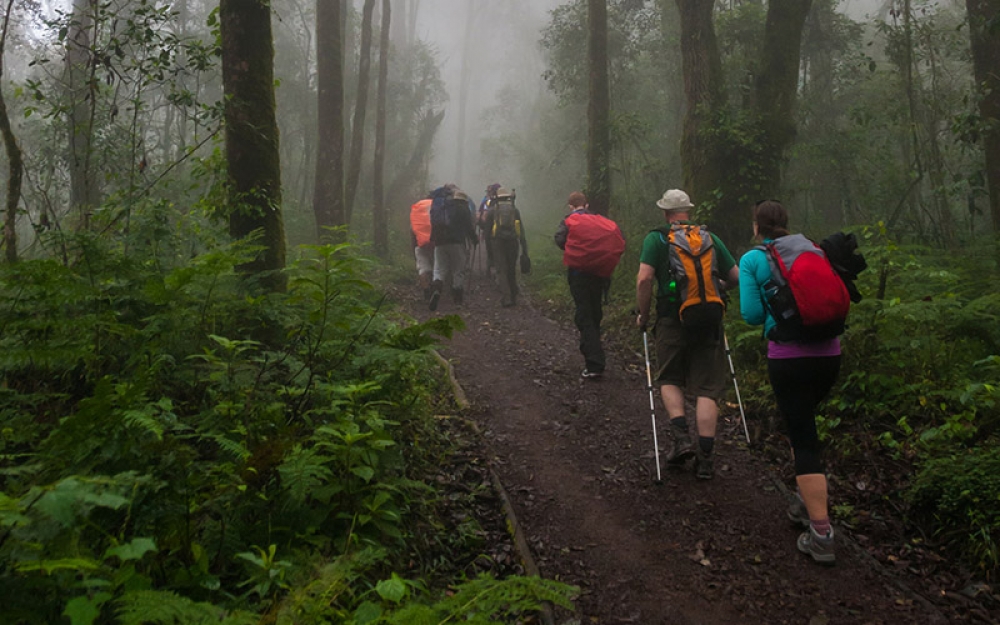
This is the wettest period of the year, with frequent rainfall, muddy trails, and higher humidity, especially in the rainforest zone.
Short Rainy Season
November to Early December
The short rains are generally lighter and less predictable than the long rains. Many climbers still enjoy successful summits during this period.
Between the two rainy seasons, November is usually a better choice than April or May due to lighter rainfall.
How Does Rain Affect the Climb?
Rain changes both the trekking conditions and the overall mountain experience.
Wet Trails
Rain makes the trails muddy, slippery, and softer underfoot, requiring extra care while hiking.
Colder Conditions
Wet clothing and boots can quickly lower your body temperature and increase the risk of hypothermia if not managed properly.
Reduced Visibility
Clouds, fog, and rain often hide Kilimanjaro's spectacular views, particularly in the lower elevations.
Increased Physical Effort
Walking through mud and slippery terrain requires more energy, making each trekking day slightly more demanding.
Advantages of Climbing During the Rainy Season
Despite the weather challenges, many climbers appreciate the unique experience that the rainy season offers.
Fewer Climbers
One of the biggest advantages is the lack of crowds. Campsites and trails are often quiet, allowing you to enjoy a more peaceful and personal mountain experience.
Beautiful Green Landscapes
The rainforest becomes incredibly lush, vibrant, and full of life, making it one of the most scenic times of the year.
Better Availability
Accommodation, park logistics, and preferred climbing dates are generally easier to secure during the low season.
Lower Prices
Many operators offer lower prices during the rainy season, making it an excellent option for travelers on a budget.
Weather Is Never Guaranteed
Mountain weather is unpredictable. It is entirely possible to enjoy several consecutive days of sunshine during the rainy season—or experience rainfall during the dry season.
Rainfall by Climate Zone
Rainforest Zone (1,800–2,800 m)
This zone receives the heaviest rainfall.
Expect:
◆ Frequent afternoon showers
◆ Muddy trails
◆ High humidity
◆ Lush tropical vegetation
Waterproof boots and gaiters are highly recommended.
Moorland Zone (2,800–4,000 m)
Rain becomes less frequent as you gain elevation.
Conditions typically include:
◆ Cool temperatures
◆ Cloud cover
◆ Occasional rain
◆ Moderate visibility
Proper waterproof clothing remains essential.
Alpine Desert Zone (4,000–5,000 m)
This zone is surprisingly much drier.
Expect:
◆ Cold temperatures
◆ Wind
◆ Dry conditions
◆ Occasional clouds
Many climbers are surprised by how much better the weather becomes above 4,000 metres.
Summit Zone (5,000–5,895 m)
Summit temperatures remain cold throughout the year.
Typical conditions include:
◆ Temperatures between -10°C and -20°C
◆ Possible snowfall
◆ Strong winds
◆ Variable visibility
Many climbers still reach Uhuru Peak under clear skies during the rainy season.
Why Some Climbers Choose April or May
Although April and May are the wettest months, they still offer several advantages.
Benefits
◆ Very quiet trails
◆ Peaceful campsites
◆ Beautiful green scenery
◆ Lower climbing prices
◆ Easier booking availability
◆ Excellent wildlife around the lower slopes
With proper preparation, successful summits remain very achievable.
Who Should Avoid the Rainy Season?
The rainy season may not be the best choice for everyone.
We recommend choosing the dry season if you:
◆ Want the highest chance of clear summit views
◆ Have little experience hiking in wet conditions
◆ Prefer dry, comfortable trails
◆ Are celebrating a once-in-a-lifetime occasion and want the best weather possible
◆ Do not have access to quality waterproof equipment
Essential Rainy Season Equipment
Good waterproof equipment is the key to enjoying a rainy season climb.
We recommend bringing:
Waterproof Clothing
◆ Waterproof hardshell jacket◆ Waterproof hiking trousers
◆ Waterproof gloves
◆ Waterproof backpack cover
Footwear
◆ Waterproof hiking boots◆ Gaiters
◆ Extra hiking socks (4–5 pairs)
Backpack Protection
◆ Dry bags◆ Waterproof stuff sacks
◆ Heavy-duty plastic liners for your duffel bag
Keeping your clothing and sleeping bag dry is one of the most important factors for staying comfortable on the mountain.
Best Kilimanjaro Routes During the Rainy Season
Rongai Route ⭐⭐⭐⭐⭐
The Rongai Route approaches Kilimanjaro from the northern side, which receives significantly less rainfall than the southern slopes.
Why Choose Rongai?
◆ Driest route on Kilimanjaro
◆ Less crowded
◆ Excellent during April, May, and November
◆ Great wildlife viewing
◆ High summit success rate
Lemosho Route ⭐⭐⭐⭐⭐
The Lemosho Route is another excellent choice because its longer itinerary provides more time for acclimatization and flexibility if weather conditions change.Advantages
◆ Outstanding scenery
◆ Excellent acclimatization
◆ High summit success
◆ Longer, less rushed itinerary
Machame Route ⭐⭐⭐⭐☆
The Machame Route remains one of the most popular routes throughout the year.
Although trails become muddier during the rainy season, experienced guides and proper equipment make it a very enjoyable climb.
Marangu Route ⭐⭐⭐⭐☆
The Marangu Route is often recommended during the rainy season because climbers sleep in mountain huts rather than tents.
This provides:
◆ Better protection from rain
◆ More comfortable overnight accommodation
◆ Easier gear management