Your Safety Is Our Highest Priority
At Kili Legends & Safaris, your safety is the foundation of every Kilimanjaro expedition we operate.
Reaching the summit of Mount Kilimanjaro (5,895 m / 19,341 ft) is an incredible achievement, but it also means
trekking at extreme altitude where proper planning, experienced guides, and professional safety procedures are essential.
Although Kilimanjaro is a non-technical mountain that does not require climbing experience or specialized mountaineering skills,
it should never be underestimated. Every year, thousands of trekkers attempt the climb, and many require evacuation due to
altitude-related illnesses. Our mission is to ensure every climber enjoys a safe, successful, and unforgettable journey to the Roof of Africa.
Our Commitment to Safety
We believe that successful summits begin with excellent preparation, experienced leadership, and continuous monitoring throughout the climb.
Our safety program includes:
◆ Highly experienced and licensed mountain guides
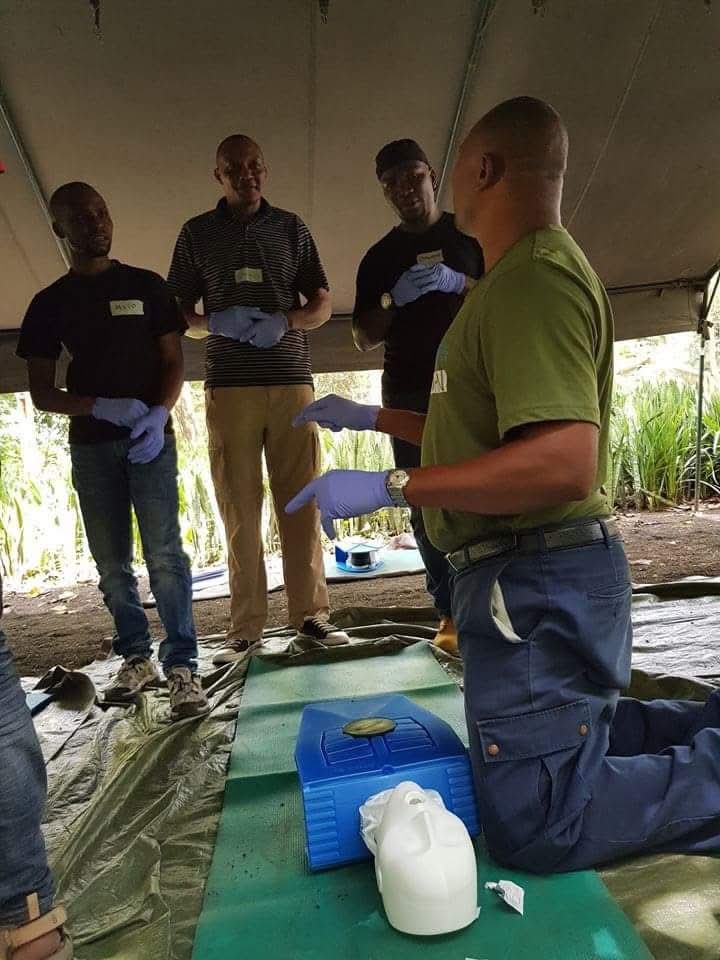
◆ Wilderness First Responder (WFR) trained guides
◆ Daily health assessments
◆ Pulse oximeter monitoring
◆ Emergency oxygen on every climb
◆ Comprehensive first aid kits
◆ Emergency evacuation procedures
◆ High guide-to-climber ratio
◆ Quality camping equipment
◆ Safe food preparation and purified drinking water
Why Safety Matters on Kilimanjaro
Several factors can affect your safety while climbing Mount Kilimanjaro:
◆ High altitude and reduced oxygen levels
◆ Altitude sickness
◆ Rapid weather changes
◆ Cold temperatures at higher elevations
◆ Remote mountain environment
◆ Physical exhaustion
◆ Individual medical conditions
Understanding these risks and following your guide's instructions greatly increases your chances of reaching the summit safely.
Professional Mountain Guides
Your guide is your most important safety resource.
Every Kili Legends & Safaris mountain guide is trained to:
◆ Recognize early symptoms of altitude sickness
◆ Perform daily health assessments
◆ Administer emergency oxygen when necessary
◆ Provide wilderness first aid
◆ Coordinate emergency evacuations
◆ Make safe decisions throughout the expedition
Our experienced guides have successfully led hundreds of climbers to Uhuru Peak while maintaining the highest safety standards.
Guide-to-Climber Ratio
To ensure close supervision throughout the trek, we maintain an excellent guide-to-climber ratio.
1 Professional Guide for every 2 Climbers
This allows our team to closely monitor each climber's health, pace, and acclimatization while providing personalized support whenever needed.
Daily Health Monitoring
Your health is monitored throughout the entire expedition.
Every day our guides perform comprehensive health checks that include:
Pulse Oximeter Testing
We measure:
◆ Blood oxygen saturation (SpO₂)
◆ Resting heart rate
These readings help us monitor how your body is adapting to the altitude.
Health Assessment
Our guides also check for common symptoms including:
◆ Headache
◆ Fatigue
◆ Loss of appetite
◆ Nausea
◆ Dizziness
◆ Difficulty breathing
◆ Sleeping problems
◆ Walking balance
◆ Hydration levels
Continuous monitoring allows us to identify problems early before they become serious.
Emergency Oxygen
Every expedition carries emergency medical oxygen.
Emergency oxygen is used only when medically necessary to stabilize a climber while preparing for immediate descent.
It is not used to help climbers continue ascending.
First Aid & Medical Equipment
Our mountain crews carry comprehensive emergency medical equipment, including:
◆ First aid kits
◆ Trauma supplies
◆ Emergency oxygen cylinders
◆ Pulse oximeters
◆ Emergency communication devices
◆ Portable stretchers (provided through Kilimanjaro National Park when required)
Our equipment is regularly inspected to ensure it is ready whenever needed.
Emergency Evacuation
In the unlikely event of a serious medical emergency, we follow established evacuation procedures.
Depending on the situation, evacuation may involve:
◆ Assisted walking descent
◆ Stretcher evacuation
◆ Kilimanjaro Search and Rescue helicopter evacuation (weather permitting)
Our guides are trained to act quickly and coordinate emergency assistance when necessary.
Understanding Altitude Sickness
The greatest challenge on Mount Kilimanjaro is altitude.
As you climb higher, oxygen levels decrease, making it harder for your body to function normally.
Most climbers experience mild symptoms as part of the normal acclimatization process.
Early recognition and proper management are the keys to staying safe.
Mild Acute Mountain Sickness (AMS)
Mild AMS is common above 3,000 metres.
Typical symptoms include:
◆ Mild headache
◆ Dizziness
◆ Fatigue
◆ Reduced appetite
◆ Mild nausea
◆ Difficulty sleeping
◆ Shortness of breath during activity
Most mild symptoms improve as your body acclimatizes
Moderate Acute Mountain Sickness
If symptoms become worse, immediate action is required.
Symptoms include:
◆ Severe headache
◆ Persistent nausea or vomiting
◆ Extreme fatigue
◆ Poor coordination
◆ Difficulty walking
◆ Increased shortness of breath
At this stage, descent is usually necessary.
Severe Acute Mountain Sickness
Severe AMS is a medical emergency.
Symptoms include:
◆ Difficulty breathing at rest
◆ Inability to walk
◆ Confusion
◆ Extreme weakness
◆ Loss of consciousness
Immediate descent and emergency treatment are essential.
High Altitude Pulmonary Edema (HAPE)
HAPE occurs when fluid builds up in the lungs.
Symptoms include:
◆ Severe shortness of breath
◆ Persistent cough
◆ Chest tightness
◆ Extreme fatigue
◆ Blue lips or fingertips
◆ Confusion
HAPE requires immediate evacuation and medical treatment.
High Altitude Cerebral Edema (HACE)
HACE is caused by swelling of the brain due to high altitude.
Symptoms include:
◆ Severe headache
◆ Loss of coordination
◆ Confusion
◆ Hallucinations
◆ Difficulty speaking
◆ Unconsciousness
HACE is life-threatening and requires immediate descent and emergency medical care.
Food, Water & Hygiene
Maintaining good hygiene is essential during your climb.
At Kili Legends & Safaris, we provide:
◆ Freshly prepared nutritious meals
◆ Boiled, filtered, and purified drinking water
◆ Clean cooking equipment
◆ Handwashing facilities
◆ Private portable toilets on private climbs
We also recommend carrying hand sanitizer and washing your hands regularly.
Quality Camping Equipment
Comfort and safety go hand in hand.
Our mountain equipment includes:
◆ High-quality waterproof expedition tents
◆ Spacious dining tents
◆ Tables and chairs
◆ Warm sleeping arrangements
◆ Private toilet tents (private climbs)
◆ Professional cooking equipment
All equipment is regularly inspected before every expedition.
Proper Clothing & Equipment
Mountain weather changes rapidly.
Proper clothing helps protect you from:
◆ Cold temperatures
◆ Rain
◆ Wind
◆ Snow
◆ Strong UV sunlight
We recommend following our complete Kilimanjaro packing list and renting any equipment you may not already own.
Physical Preparation
A successful climb begins long before you arrive in Tanzania.
We recommend:
◆ Regular cardiovascular exercise
◆ Hill walking or hiking
◆ Strength training
◆ Medical check-up before travel
◆ Discussing altitude medication such as Diamox with your doctor
◆ Purchasing comprehensive travel insurance that covers high-altitude trekking and emergency evacuation
Your Role in Staying Safe
Safety is a shared responsibility.
We ask every climber to:
◆ Walk slowly ("Pole Pole")
◆ Drink plenty of water
◆ Eat regular meals
◆ Report any symptoms immediately
◆ Follow your guide's instructions
◆ Never ignore signs of altitude sickness
◆ Support fellow climbers if they appear unwell
Honest communication with your guide is one of the most important factors in a safe and successful climb.
Climb with Confidence
At Kili Legends & Safaris, we never compromise on safety. Our experienced guides, professional equipment, comprehensive health monitoring, and emergency preparedness are all designed to maximize your safety while giving you the best possible chance of standing on the summit of Africa.
Whether this is your first high-altitude adventure or your next great challenge, you can climb with confidence knowing that your safety is always our number one priority.